

Selling As-Is: How to Eliminate Your Repair Burden
TL;DR:
- Selling a home as-is transfers repair responsibility to the buyer and eliminates repair-related delays. This approach saves sellers an average of $14,163 in pre-sale costs and reduces closing time by avoiding repairs and contractor management. However, offers may be lower, and the buyer pool shrinks primarily to investors and cash buyers.
Selling a home “as-is” is defined as listing a property in its current condition, with no repairs, renovations, or improvements made before closing. This approach directly addresses how selling as-is eliminates repair burden by transferring all responsibility for defects to the buyer. Traditional home sales saddle sellers with average repair concessions of $14,000, plus weeks of contractor management and remodeling delays. Skipping that process entirely changes what selling feels like, especially when you are already stretched thin financially or emotionally.
How selling as-is eliminates repair burden and changes your obligations
When you sell as-is, you give up the obligation to fix anything. The buyer accepts the property in its current state after their inspection. That shift is the core of the as-is model, and it is more significant than most homeowners realize.
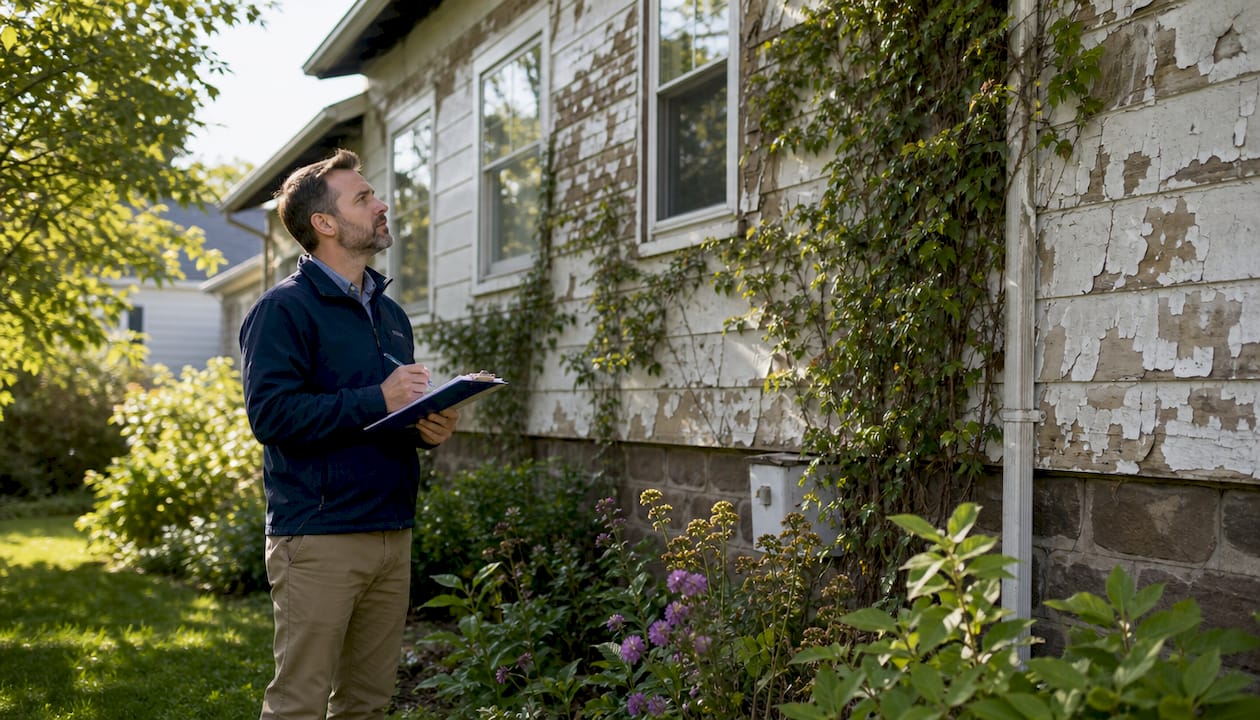
In a traditional sale, a buyer’s inspection report becomes a negotiating weapon. Buyers request repairs, credits, or price reductions based on every item the inspector flags. That back-and-forth can drag on for weeks and cost you thousands before you ever reach the closing table. An as-is sale cuts that loop entirely, because the buyer already knows they are accepting the property’s condition.
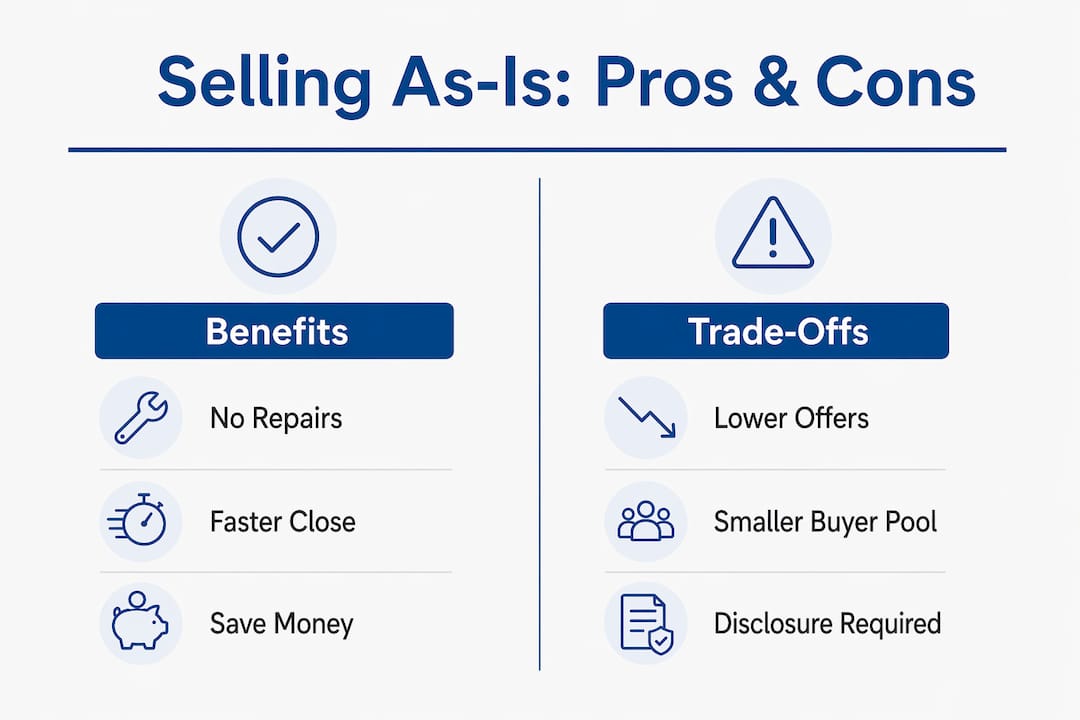
What you still must do is disclose. Disclosure of known defects is required by law in most states, even in as-is transactions. You cannot hide a leaking roof or a failed HVAC system. You simply do not have to fix it. That distinction protects both you and the buyer legally.
Here is what changes for you as an as-is seller compared to a traditional listing:
- No repair obligations: You make zero fixes, whether cosmetic or structural.
- No repair credits: You do not offer money toward repairs at closing.
- No contractor coordination: No scheduling, no bids, no waiting on permits.
- Buyer assumes condition risk: The buyer accepts the home knowing its defects.
- Disclosure still required: Known problems must be listed on your disclosure form.
This model works especially well for homeowners dealing with houses in disrepair, inherited properties, or situations where repairs simply are not financially possible.
How does selling as-is save you real money and time?
The financial relief from skipping repairs is concrete and measurable. Home sellers in the United States spend an average of $14,163 on pre-sale improvements, and that work typically takes two weeks to a full month to complete. That is money you spend before you receive a single dollar from the sale, and time you lose while carrying mortgage payments, taxes, and utilities.
Avoiding that spend is not just about the dollar amount. It is about the stress of managing contractors, chasing timelines, and hoping the work gets done before your listing goes live. One delayed contractor can push your entire sale back by weeks. When you sell without making repairs, none of that applies to you.
$14,163 is the average amount U.S. home sellers spend on pre-sale improvements. Selling as-is puts that money back in your pocket before you even list.
Pro Tip: If you are tempted to do “just a few repairs” to boost your price, calculate the full cost first. Include contractor fees, materials, permit costs, and the carrying costs for every week the work delays your listing. The math often favors selling as-is.
Cash buyers close faster in as-is deals because there are no financing contingencies tied to repair completion and no renegotiation after inspection. That speed translates directly into fewer mortgage payments, less time managing a property you want out of, and a faster path to your next chapter. For homeowners facing foreclosure, financial hardship, or a tight relocation deadline, that timeline difference is not a convenience. It is critical.
The costs avoided with a cash sale extend beyond the repair bill itself. You also skip agent commissions in many cash transactions, avoid staging costs, and sidestep the appraisal contingencies that can derail a financed deal.
What are the trade-offs of selling a home as-is?
Selling as-is is not without real financial trade-offs. Buyers discount their offers to account for the risk they are taking on. If your home needs significant work, offers can run tens of thousands below fair market value. That gap is real, and you should go in with clear eyes about it.
The buyer pool also shrinks. Financing limitations make as-is homes less attractive to buyers using conventional mortgages, because lenders often require properties to meet minimum condition standards before approving a loan. That leaves you primarily working with investors and cash buyers, which is a smaller group but often a faster-moving one.
Here is a clear breakdown of the key trade-offs:
| Factor | As-is sale | Traditional sale |
|---|---|---|
| Repair obligation | None | Typically required or negotiated |
| Buyer pool | Investors and cash buyers | Broader, includes financed buyers |
| Offer price | Below market, reflecting condition | Closer to market after repairs |
| Time to close | Days to weeks | Weeks to months |
| Seller stress | Low | High during repair and negotiation phases |
When does the as-is route make clear financial sense? The calculation tips in your favor when repair costs are high, when you need to close quickly, or when carrying costs are eating into your net proceeds every month. If your home needs a new roof, foundation work, or major systems replacement, the cost of those repairs often exceeds the price premium a repaired home would fetch. Selling as-is in those situations is not settling. It is a sound financial decision.
The benefits of cash home sales also include predictability. A cash offer does not fall apart because of a lender’s appraisal or a financing contingency. That certainty has real value when you are trying to plan your next move.
How to maximize your outcome when selling a home as-is
Selling without repairs does not mean selling without preparation. The sellers who get the best as-is outcomes take a few deliberate steps before listing.
-
Disclose everything you know. A complete, honest disclosure form builds buyer confidence and reduces the chance of post-inspection renegotiation. Buyers who feel informed are less likely to walk away or demand concessions after the fact. Marketing the as-is condition upfront sets realistic expectations from the start.
-
Consider a pre-inspection. Paying for your own inspection before listing gives you a full picture of the property’s condition. You can price accordingly and hand buyers a report that removes uncertainty. Buyers who already have an inspection report are more confident making offers without contingencies.
-
Clean and declutter thoroughly. You are not required to make repairs, but a clean, clutter-free home photographs better and shows better. This costs very little and signals to buyers that the property has been cared for, even if it needs work.
-
Understand your buyer types. Cash investors, house flippers, and buy-and-hold landlords are your most likely buyers in an as-is sale. Each has different priorities. Investors focus on after-repair value and their renovation budget. Knowing this helps you price realistically and negotiate from a position of knowledge.
-
Set your non-negotiable terms upfront. Decide before you list what you will and will not accept. Know your minimum price, your preferred closing timeline, and whether you will consider any credits. Going into negotiations with clear limits prevents you from making reactive decisions under pressure.
Pro Tip: If you are selling an inherited property or a home you have not lived in recently, a pre-inspection is especially valuable. It protects you legally and gives buyers the confidence to move quickly without demanding contingencies.
Learning real estate negotiation tactics specific to as-is transactions helps you hold your position when buyers push back after inspection. The goal is a clean, fast close, not a prolonged negotiation that erodes your net proceeds.
For homeowners who inherited a property, the process of selling an inherited house as-is follows the same principles but adds estate and probate considerations that are worth understanding before you list.
My honest perspective on as-is sales for stressed homeowners
The repair-or-sell debate comes up constantly in real estate conversations, and the conventional wisdom almost always leans toward fixing things up first. That advice is wrong for a significant portion of sellers, and I have seen the consequences of following it blindly.
Homeowners who pour money into pre-sale repairs often do so on credit or by draining savings, then watch their net proceeds shrink because the market did not reward the investment the way they expected. A fresh coat of paint and new fixtures rarely move the needle on price the way sellers hope. Major repairs almost never pay back dollar for dollar.
The sellers who come out ahead in as-is transactions are the ones who price honestly, disclose fully, and target the right buyers from day one. They do not waste time chasing a retail buyer who will demand repairs anyway. They find a cash buyer, agree on a fair price that reflects the home’s condition, and close quickly. The math works because they are not spending $14,000 upfront to maybe recover $10,000 in sale price.
The emotional weight of managing repairs while also trying to sell a home is something that rarely gets discussed honestly. Contractors miss deadlines. Costs overrun estimates. Every delay costs you money in carrying costs. For a homeowner already under financial stress, that process can feel impossible. Selling as-is is not giving up. It is choosing a path that actually fits your situation.
— Real Estate Team
Sell Dave Your House makes as-is selling straightforward
Homeowners in the Detroit area who want to sell without repairs have a direct option with Sell Dave Your House.

Sell Dave Your House has over 16 years of experience buying homes in any condition for cash. The process is simple: you request an offer, receive a fair all-cash offer within 24 hours, and can close in as little as seven days. There are no repair requirements, no agent commissions, and no financing contingencies that could derail your closing. Whether you are facing foreclosure, managing an inherited property, or simply ready to move on without the burden of a repair list, Sell Dave Your House offers a clear path forward. You can get a fair cash offer today and have a number in hand within one business day.
Key takeaways
Selling a home as-is eliminates the repair burden by transferring all property condition risk to the buyer, saving sellers an average of $14,163 in pre-sale improvement costs and weeks of contractor management.
| Point | Details |
|---|---|
| No repair obligation | As-is sellers make zero fixes and offer no repair credits at closing. |
| Disclosure still required | Known defects must be listed on your disclosure form even in as-is sales. |
| Average savings of $14,163 | Skipping pre-sale improvements keeps that money in your pocket before closing. |
| Smaller but faster buyer pool | Cash buyers and investors close quickly without financing contingencies. |
| Preparation still matters | Cleaning, disclosing fully, and pre-inspecting improve your as-is outcome. |
FAQ
What does selling a house as-is mean for repairs?
Selling as-is means you make no repairs and offer no credits for defects. The buyer accepts the property in its current condition after inspection.
Do I still have to disclose problems in an as-is sale?
Yes. Disclosure of known defects is required by law in most states regardless of the sale type. You do not have to fix problems, but you cannot legally hide them.
How much money can I save by selling as-is?
U.S. home sellers spend an average of $14,163 on pre-sale improvements. Selling as-is eliminates that cost entirely.
Will I get a lower offer if I sell as-is?
Yes, buyers typically discount as-is offers to account for repair costs and condition risk. The discount can range from a few thousand to tens of thousands depending on the property’s condition.
How fast can I close on an as-is sale?
Cash buyers close as-is deals in days rather than months because there are no financing contingencies or repair negotiations to resolve.