
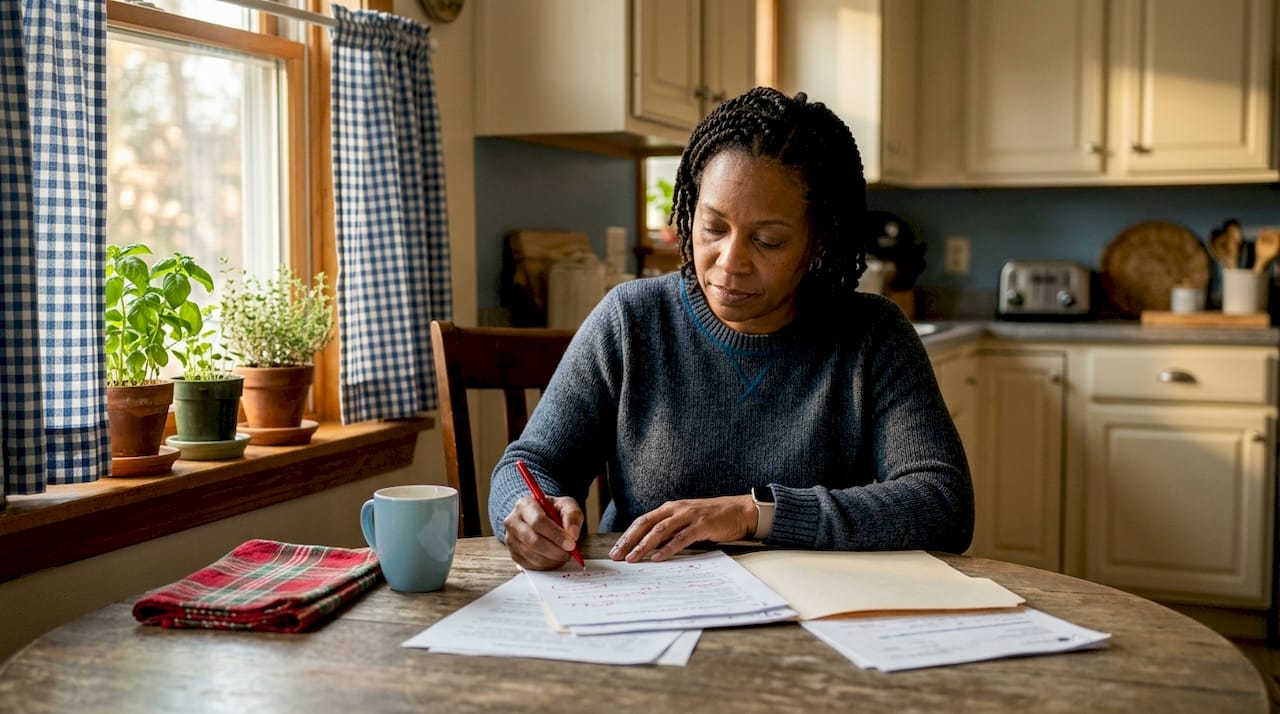
Why Traditional Home Sales Fall Through in 2026
TL;DR:
- Home sales often fall through due to financing failures, inspection issues, low appraisals, or title problems. Preparing early by conducting inspections and title searches can reduce these risks and help ensure a smooth closing. In 2026, record cancellation rates highlight the importance of proactive seller strategies.
Home-purchase agreement cancellations are defined as failed closings where a signed contract ends without a completed sale. Contract cancellations reached a record 13.5% in early 2026, compared to the historical average of roughly 5%. That gap tells you something important: the reasons traditional home sales fall through are more common and more varied than most sellers expect. Financing failures, inspection surprises, appraisal shortfalls, title defects, buyer hesitation, and communication breakdowns each play a role. Understanding these pitfalls before you list your home gives you a real advantage.
1. Reasons traditional home sales fall through: financing failures
Financing failure is the single most common reason a home sale collapses. Financing contingencies appear in roughly 56% of offers, and when a buyer’s loan falls apart, the seller is left back at square one.

Lenders can deny a mortgage at any point before closing. A buyer who looked financially solid in month one may lose their job, take on new debt, or see their credit score drop before the closing date. Interest rate volatility in 2026 has made this worse. A rate jump of even half a point can push a buyer’s debt-to-income ratio past the lender’s limit, triggering a denial.
Common financing triggers that kill deals include:
- Last-minute job loss or income reduction
- New credit card debt or auto loan opened after pre-approval
- Credit score drop due to missed payments
- Lender tightening underwriting standards mid-process
- Insurance underwriting surprises related to roof age or flood zone location
Pro Tip: Ask every buyer for a fully underwritten pre-approval letter, not just a pre-qualification. A fully underwritten approval means the lender has already verified income, assets, and credit. It is far more reliable than a basic pre-qual.
Sellers who want to avoid financing contingency risks entirely often find that cash buyers provide the most dependable path to closing.
2. Inspection surprises that derail closings
Home inspections are one of the most common points where traditional deals fall apart. A buyer’s inspector walks through your property and documents every flaw, from a cracked foundation to outdated wiring. What happens next depends heavily on how both sides handle the findings.
Major issues that frequently kill deals after inspection include:
- Foundation cracks or structural movement (see Florida foundation disclosure laws for disclosure context)
- Roof damage or end-of-life roofing materials
- Mold or water intrusion in basements or crawl spaces
- Outdated electrical panels or knob-and-tube wiring
- HVAC systems past their useful life
Buyers in 2026 have significant leverage. There are 600,000 more sellers than buyers nationally, which means buyers can walk away from a deal over relatively minor issues and quickly find another home. Sellers who refuse reasonable repair requests often lose the deal entirely.
Inspection contingencies also give buyers a legal exit even when the home is in generally sound condition. A buyer experiencing cold feet can use a minor inspection finding as justification to cancel without losing their earnest money.
Pro Tip: Order a pre-listing inspection before you accept any offers. Knowing your home’s condition upfront lets you price accurately, make targeted repairs, and disclose issues honestly. Transparent disclosures reduce the chance of a buyer using the inspection as a surprise exit.
Sellers who want to skip repair negotiations entirely can sell as-is to a cash buyer, which removes the inspection contingency from the equation.
3. Appraisal gaps and their effect on closing
A low appraisal is one of the most frustrating reasons a home sale fails. When a buyer uses a mortgage, the lender orders an independent appraisal to confirm the home is worth the purchase price. If the appraised value comes in below the agreed price, the lender will only finance up to the appraised amount.
Appraisal discrepancies frequently force renegotiations or cause deals to collapse when neither party can bridge the gap. The seller must either lower the price, the buyer must cover the difference in cash, or the deal falls through.
| Scenario | Likely Outcome |
|---|---|
| Appraisal matches purchase price | Closing proceeds as planned |
| Appraisal slightly below price | Renegotiation; seller may reduce price |
| Appraisal well below price | Deal collapses or buyer pays gap in cash |
| No appraisal contingency (cash sale) | No appraisal required; deal proceeds |
Appraisal problems are especially common in fast-moving markets where sellers price aggressively. Comparable sales data may not yet reflect recent price increases, leaving appraisers working from older numbers. Sellers who price based on emotion rather than comparable sales data are most exposed to this risk.
4. Title problems that surface at the worst time
Title defects are a less obvious but serious cause of failed closings. A title defect is any legal issue that clouds your ownership of the property. Common examples include unpaid liens, back taxes, boundary disputes, or competing ownership claims from a prior divorce or estate.
Title defects appear most often in inherited properties, flips, and estate sales. These transactions often have complex ownership histories that were never fully resolved. A lien from a contractor who worked on the property five years ago can surface at closing and stop the deal cold.
Issues that commonly appear in title searches include:
- Unpaid property taxes or municipal liens
- Mechanic’s liens from prior contractors
- Unresolved claims from a deceased owner’s estate
- Boundary encroachments or easement disputes
- Errors in prior deeds or public records
Pre-listing title searches and early disclosures materially reduce transaction risk in today’s complex market. Ordering a title search before you list gives you time to resolve problems without a buyer waiting on the other side of the table. Addressing title issues early creates smoother closings and protects your timeline.
5. Buyer hesitation and cold feet
Buyer remorse is a real and growing factor in 2026. Economic uncertainty, inflation, and geopolitical tensions cause buyers to second-guess major financial commitments even after signing a contract. A buyer who felt confident in week one may feel anxious by week four.
Buyers in a surplus market have little financial pressure to push through their hesitation. They can cancel during the inspection period, the financing contingency window, or any other contingency period without losing their earnest money. This gives hesitant buyers a low-cost exit at multiple points in the process.
Signs of buyer hesitation that often precede a cancellation include:
- Slow responses to document requests
- Repeated requests to extend contingency deadlines
- Escalating repair demands after inspection
- Requests to delay the closing date without clear reason
- Sudden silence from the buyer’s agent
Buyers in 2026 are more selective and prone to backing out due to economic jitters, making seller flexibility and preparation crucial. Sellers who stay calm, respond quickly, and show willingness to negotiate small issues often keep hesitant buyers engaged long enough to close.
Pro Tip: Keep communication lines open and respond to buyer requests within 24 hours. Delays on your end signal indifference and give hesitant buyers a reason to walk. A fast, professional response builds buyer confidence at exactly the moment they need it.
6. Communication breakdowns and missing documents
Poor communication is an underappreciated cause of failed home sales. Breakdowns in communication or missing documents can delay or derail closings at the worst possible moment. When agents, lenders, title companies, and buyers are not coordinating clearly, small delays compound into missed deadlines.
Common communication failures that collapse deals include:
- Missing or late disclosure documents
- Unsigned addenda or contract amendments
- Lender requests for additional documentation that go unanswered
- Miscommunication between buyer’s and seller’s agents on repair agreements
- Failure to confirm closing date changes with all parties
Transparency and communication can often save deals that threaten to fall through due to negotiation impasses. A seller who proactively shares information, responds to requests promptly, and keeps their agent informed reduces the chance of a deal dying from administrative failure. The traditional home selling timeline has multiple critical handoff points where communication gaps are most dangerous.
Key Takeaways
The most reliable way to prevent a failed home sale is to address financing, inspection, appraisal, title, and communication risks before you accept an offer.
| Point | Details |
|---|---|
| Financing is the top deal killer | Financing contingencies appear in 56% of offers and cause the majority of failed closings. |
| Pre-listing inspections reduce risk | Ordering your own inspection before listing lets you fix or disclose issues on your terms. |
| Title searches should happen early | Resolving liens and ownership disputes before listing prevents last-minute deal collapses. |
| Buyer hesitation is rising in 2026 | Economic uncertainty has pushed cancellation rates to a record 13.5%, far above the historical 5%. |
| Communication keeps deals alive | Responding quickly and sharing documents promptly prevents administrative failures from killing closings. |
What I’ve learned about why deals really fall through
After years of watching home sales succeed and fail, the pattern is clear: most deals don’t collapse because of one catastrophic problem. They collapse because of small, preventable issues that pile up and give a hesitant buyer the excuse they were looking for.
Sellers often focus on price and staging while ignoring the mechanics of the transaction. A beautifully presented home with a cloudy title, deferred maintenance, and an overworked agent who doesn’t return calls is a deal waiting to fall apart. The buyers who cancel are rarely the problem. The conditions that made cancellation easy are the problem.
The 2026 market has shifted power firmly toward buyers. With more sellers than buyers nationally, a buyer who walks away from your deal has options. That reality means sellers need to be more prepared than ever. Get the pre-listing inspection done. Order the title search early. Price based on comparable sales, not hope. And choose your agent based on communication skills, not just their listing count.
The sellers who close successfully in this market treat the transaction like a project with deadlines, documentation, and clear accountability. The sellers who lose deals treat it like a passive process where things just happen. The difference between those two approaches shows up at closing.
— Real Estate Team
Selling without the stress of a traditional deal falling apart
If you’ve read this far, you know how many things can go wrong in a traditional home sale. Financing denials, inspection negotiations, low appraisals, title surprises, and buyer hesitation are all real risks that cost sellers time, money, and peace of mind.

Sell Dave Your House offers Detroit-area homeowners a direct path to closing without any of those obstacles. There are no financing contingencies because purchases are made in cash. There are no inspection negotiations because homes are bought as-is. With over 16 years of experience, Sell Dave Your House delivers fair cash offers within 24 hours and can close in as little as seven days. Sellers in Harper Woods, Hazel Park, and across the Detroit area can request a fast cash offer and skip the uncertainty of a traditional listing entirely.
FAQ
What is the most common reason a home sale falls through?
Financing failure is the leading cause. Financing contingencies appear in roughly 56% of offers, and last-minute loan denials due to job changes, credit drops, or lender tightening are the most frequent deal killers.
How often do home sales fall through in 2026?
Contract cancellations reached approximately 13.5% in early 2026, according to Redfin. That rate is significantly higher than the historical average of around 5%.
Can a buyer cancel after the inspection without losing their deposit?
Yes. Inspection contingencies give buyers a legal exit during the inspection period. A buyer can cancel based on any finding, including minor issues, and typically recover their earnest money in full.
How do title problems cause a home sale to fail?
Title defects such as unpaid liens, back taxes, or disputed ownership prevent a clean transfer of the property. Lenders will not fund a mortgage on a property with an unresolved title issue, which stops the closing.
What can sellers do to prevent their home sale from falling through?
Order a pre-listing inspection, conduct a title search before listing, price based on comparable sales data, and respond to all buyer and lender requests within 24 hours. These four steps address the most common causes of failed closings.