No Showings Through Shared Space
No lockboxes in the lobby, no strangers in the hallways, no open houses your neighbors have to tolerate. One walkthrough and we're done.

Condo sales collapse for reasons a house sale never faces: lender warrantability, special assessments, association delinquencies. We buy condos in Detroit and across Wayne County — as-is, no fees, and a close on your timeline.
Fill out the form. We’ll contact you ASAP.
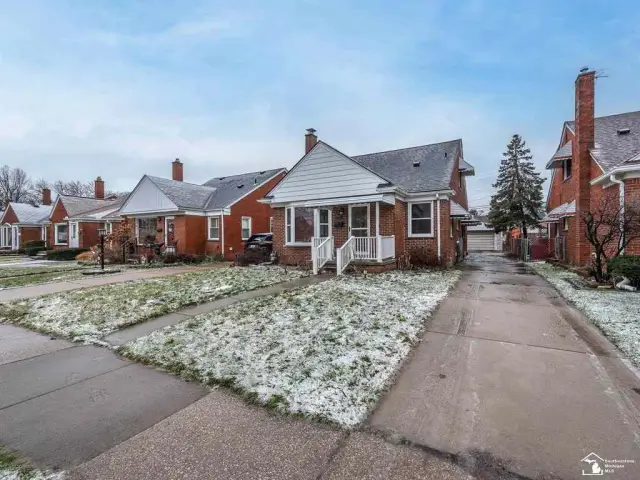
A Detroit condo sale carries paperwork a house sale never touches: the master deed, the bylaws, an association status letter, and in some buildings a right of first refusal. We handle all of it as a matter of routine. You get a written cash offer on your unit in its current condition, no repairs or cleanout, no showings through the common areas, and a closing timed to your move rather than a lender's calendar.
What we buy here: Downtown and riverfront towers, Lafayette Park townhomes, and warehouse loft conversions
Detroit's condo market barely overlaps with its house market, and that single fact explains almost everything unusual about selling one here. The condo stock is concentrated in a handful of places — the downtown core, the riverfront towers, Lafayette Park's mid-century townhomes and co-ops, and warehouse buildings converted to lofts around Corktown and Rivertown — while single-family homes stretch across every neighborhood from Brightmoor to Morningside. Comparing the two produces a number that looks bizarre until you understand you're measuring a concentrated downtown market against a citywide one. The practical consequence is that Detroit condo owners are competing in a small, specific market with its own rules, where the buyer is usually someone who wants downtown living rather than someone choosing between your unit and a bungalow on the east side. Loft conversions carry an added complication: they tend to combine small unit counts, ground-floor commercial space, and investor-heavy ownership, which are three separate ways to fail a mortgage lender's project review.
We buy throughout Detroit — Corktown, Midtown, East English Village, Rosedale Park, Bagley and Boston-Edison and every street in between. If the property is anywhere in Detroit or the rest of Wayne County, we'll make a written cash offer on it regardless of condition.
What moves the number on a Detroit condo is location within the core and the building's own financial health, not citywide trends. A riverfront unit with a working association and a reasonable reserve balance prices very differently from a loft in a small conversion where three investors hold half the units. We look at what comparable units in your building have actually closed for, what the monthly dues are, whether there's commercial space in the project, and how many units are rented. In older conversions we also pay close attention to the mechanical systems, since warehouse buildings frequently share HVAC, plumbing stacks, and elevator equipment whose replacement costs land on owners all at once.
The typical Detroit condo is worth about $221,669 right now, down 6.3% over the past year. The typical Detroit house, by comparison, runs about $74,016 — condos here trade about 199% above single-family homes. That gap is mostly monthly dues doing their work: roughly every $300 of association dues removes about $50,000 of what a financed buyer can borrow, so the same household qualifies for meaningfully less condo than house.
For timing context, Detroit listings take a median of about 35 days just to reach pending, and 55% of recent sales here closed below the asking price. On top of that, a financed condo sale adds the association review — the status letter, the lender's project questionnaire, and the warrantability check — before the buyer's own 30-to-45-day mortgage clock even starts. Our offer skips that review entirely, which is why a Detroit condo that can't hold a financed buyer can still close in a week or two with us.
Condo and single-family values: Zillow Home Value Index, Detroit — middle tier, condo/co-op and single-family series; as of July 2026.
A condo closing needs documents a house closing never touches: the master deed, the association bylaws, the condominium subdivision plan, and a status letter (sometimes called an estoppel certificate) from the association or its management company confirming what you owe and what assessments are pending. Buyers and their lenders typically also want recent association financials and meeting minutes.
Two things regularly slow this down. First, management companies charge for these documents and take their own sweet time producing them — a week or two is normal, longer around holidays. Second, some bylaws include a right of first refusal, giving the association a window to match your buyer's offer before you can close with them.
We order these documents as a matter of course and we build the timeline around how long they realistically take. The difference is that a slow status letter delays our closing by a few days. In a financed sale, it can push you past the buyer's rate lock and unravel the whole deal.
No lockboxes in the lobby, no strangers in the hallways, no open houses your neighbors have to tolerate. One walkthrough and we're done.
Master deed, bylaws, status letter, management-company transfer fees — we know what a Michigan condo closing needs and we order it early so it doesn't become the thing that delays you.
Seven days if title is clean, or months out if you're waiting on a new place. No commission, no staging, no keeping a unit show-ready on somebody else's schedule.
Investor concentration, thin reserves, commercial space, pending litigation — the conditions that make a building non-warrantable for a mortgage lender have no effect on a cash purchase. We never send your association a questionnaire.
No listing, no showings, no waiting on a buyer's financing. Three steps from first call to cash in hand.
Enter your address and contact info. It takes less than 60 seconds. There's no pressure to move forward.
We look at your home in person. Then we give you a fair, written cash offer — usually within 24 hours.
Pick the date that works for you. We handle the paperwork. You walk away with cash.
The typical Detroit condo is worth about $221,669, down 6.3% year over year. For context, the typical Detroit single-family home sits around $74,016, so condos here run about 199% above houses. Treat that as a citywide midpoint and nothing more — condo values swing hard between complexes based on dues, reserves, age, and whether the project is financeable at all. When we price your unit we work from what comparable units in your own complex have closed for, plus the building's condition and assessment history.
All of them, including downtown and riverfront towers, Lafayette Park townhomes, and warehouse loft conversions. That covers attached townhomes, ranch and single-level condos, stacked flats, high-rise units, loft conversions, and Michigan site condos where you own the structure and a defined footprint rather than a platted lot. Condition doesn't change the answer — original kitchens, dated mechanicals, deferred common-element work, and units left full of belongings are all fine.
Converted buildings hit warrantability limits from several directions at once. Ground-floor retail can push commercial square footage past what Fannie Mae permits in a residential project. Small buildings make the single-entity ownership cap easy to breach — in a twelve-unit conversion, one investor holding three units already exceeds it. And downtown Detroit conversions often carry high rental ratios left over from the years when the units were easier to lease than to sell. None of that reflects on your unit or your price, and none of it affects a cash offer.
Yes, though it's worth knowing that a co-op is legally different from a condo — you own shares in a corporation and a proprietary lease rather than a deeded unit, and the co-op board typically has approval rights over who buys. That structure narrows the buyer pool sharply on the open market, because many lenders won't write a share loan at all. We handle both structures, and we work through the board's approval process as part of the transaction rather than treating it as your problem to solve first.
Yes. In Michigan a lot of what looks like a detached house is legally a site condo, where you own the structure and a defined footprint rather than a platted lot. We buy site condos, attached townhomes, ranch condos, stacked flats, high-rise units, and loft conversions. The legal structure changes the paperwork, not our willingness to buy.
Yes, to us. Litigation involving an association — construction defect claims against a builder are the most common in Metro Detroit — is one of the fastest ways to make a whole project unfinanceable, which is why owners in these buildings often can't find a mortgage-backed buyer at any price. A cash purchase isn't subject to those lending rules.
Sell a Condo in a nearby city:
Selling for a specific reason? We also help Detroit owners sell a house in disrepair, sell an inherited house, and sell a house fast for cash.
See our full Detroit cash home buyer page, the complete sell a condo guide, or browse every city we buy in.
Tell us about the property. We'll get back to you with a no-obligation cash offer, usually within 24 hours. You choose the closing date.