Condo · Metro Detroit

Sell a Condo Fast for Cash in Metro Detroit

Condo sales collapse for reasons a house sale never faces: lender warrantability, special assessments, association delinquencies. We buy condos and townhomes directly for cash, as-is — and none of that stops our closing.

  • Fair cash offer within 24 hours
  • Sell as-is — no repairs or cleaning
  • No fees, commissions, or closing costs
  • Close on your timeline — as fast as 7 days
586-500-7161Prefer to talk it through? Call for a free, no-obligation cash offer.
80+ 5-star Google reviewsSince 2013$0 Fees

Get Your Free Cash Offer

Fill out the form. We’ll contact you ASAP.

Your Information Is Safe & Secure

2013Serving Metro Detroit since
80+5-star Google reviews
7 daysTypical close timeline
$0Realtor fees & commissions
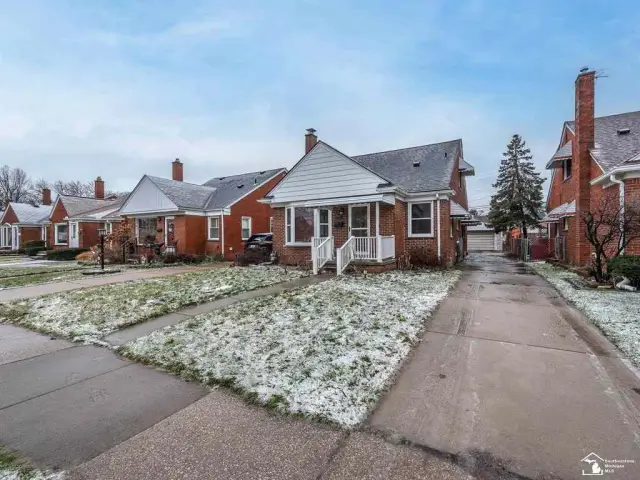
A row of attached homes representing condos and townhomes in Metro Detroit
The short answer

Can You Sell a Condo for Cash in Michigan?

Yes. Under Michigan's Condominium Act you sell a condo much like a house — you convey your unit plus its undivided interest in the common elements by deed. The difference is that a financed condo sale needs a second approval: the buyer's lender has to underwrite the association itself, not just the buyer. Selling to a cash buyer removes that second approval entirely. There's no warrantability review, no owner-occupancy ratio, no reserve study, and no waiting on the association to return a lender questionnaire.

Why Condo Sales Fall Through More Often Than House Sales

When someone buys a house with a mortgage, the lender underwrites two things: the borrower and the property. When someone buys a condo, the lender underwrites a third thing — the association. That extra layer is where most condo deals die, usually four or five weeks in, after you've already turned down other offers.

Fannie Mae and Freddie Mac will refuse to back a loan in a project where too many units are non-owner-occupied, where a single entity owns too large a share of the units, where more than 15% of owners are 60-plus days behind on dues, where reserves fall short of roughly 10% of the annual budget, where commercial space takes up too much of the building, or where the association is involved in certain litigation. Since the 2021 Surfside collapse, lenders have also pushed associations much harder on structural condition and deferred maintenance questionnaires.

Any one of those makes a project "non-warrantable." The moment that happens, the pool of buyers who can actually close shrinks to portfolio lenders and cash. Here's the frustrating part: none of it is about you or your unit. You can have perfect credit, a spotless unit, and a fair price, and still watch three financed buyers fall out in a row because of a building-wide condition you don't control.

We are the cash end of that pool. We don't send the association a questionnaire, we don't order a reserve study, and we don't care what percentage of the building is rented.

Special Assessments, Dues in Arrears, and Association Liens

A special assessment is the fastest way to lose a retail condo buyer. The association votes in a $14,000 roof, siding, or parking-lot project, the disclosure hits the buyer's inbox, and the deal either dies or gets re-traded for more than the assessment is worth. Even a rumored assessment that hasn't been formally levied yet is enough to make a financed buyer walk.

Who pays is negotiable and is worth getting right. The common split is that the seller covers assessments already levied and the buyer takes on anything approved after closing, but bylaws vary and so does what the market will bear. When we make an offer, the assessment is priced in once, in writing, and we don't come back after an inspection asking for it again.

Unpaid dues are a different problem. In Michigan, assessments the association levies become a lien against your unit, and associations can and do foreclose on that lien. If you're behind, that debt doesn't have to be cleared before you sell — it gets paid out of the proceeds at the closing table, the same way a mortgage payoff or delinquent property taxes do.

The Paperwork a Michigan Condo Sale Actually Needs

A condo closing needs documents a house closing never touches: the master deed, the association bylaws, the condominium subdivision plan, and a status letter (sometimes called an estoppel certificate) from the association or its management company confirming what you owe and what assessments are pending. Buyers and their lenders typically also want recent association financials and meeting minutes.

Two things regularly slow this down. First, management companies charge for these documents and take their own sweet time producing them — a week or two is normal, longer around holidays. Second, some bylaws include a right of first refusal, giving the association a window to match your buyer's offer before you can close with them.

We order these documents as a matter of course and we build the timeline around how long they realistically take. The difference is that a slow status letter delays our closing by a few days. In a financed sale, it can push you past the buyer's rate lock and unravel the whole deal.

Why Your Condo Is Priced Differently Than a House

Condo values and single-family values move on different tracks, and in Metro Detroit the gap is wide. In most of our cities condos trade well below houses, because monthly dues eat directly into what a buyer can borrow — every $300 of dues is roughly $50,000 of purchasing power gone at current rates. In a few places the relationship flips, usually where the condo stock sits in a desirable pocket while the single-family stock spans the whole city.

That's why a citywide "average home price" tells you almost nothing about your unit. What matters is what comparable units in your building and complex have actually closed for, what the dues are, what the reserves look like, and whether a financed buyer can even get approved there.

Every city page below carries the real condo value for that market alongside the single-family number, so you can see the spread where your unit actually sits.

Selling a Condo You've Been Renting Out

Plenty of Metro Detroit condo owners became landlords by accident — they moved, couldn't sell at the price they wanted, and rented the unit instead. Years later they want out, and they run into two walls at once.

The first is that many associations cap how many units can be rented, so your tenant may be part of the very investor-concentration problem that makes the building non-warrantable for the next buyer. The second is that showings around a tenant are miserable, and tenants have no incentive to make the place presentable.

We buy occupied condos. The lease and the security deposit transfer at closing the way Michigan law requires, we don't ask you to run showings past your tenant, and the rental cap that scares off financed buyers is irrelevant to a cash purchase.

Why sell to us

What Changes When You Sell Directly

Warrantability Isn't Our Problem

Investor concentration, thin reserves, commercial space, pending litigation — the conditions that make a building non-warrantable for a mortgage lender have no effect on a cash purchase. We never send your association a questionnaire.

Assessments Priced In Once

A levied or looming special assessment gets accounted for in the written offer and stays there. No re-trading the price after an inspection, no renegotiation when the association mails its next notice.

Dues and Liens Cleared at Closing

Behind on dues? An association lien on the unit? Those get paid from the proceeds at the closing table. You don't need cash up front to sell.

No Showings Through Shared Space

No lockboxes in the lobby, no strangers in the hallways, no open houses your neighbors have to tolerate. One walkthrough and we're done.

We Handle the Association Paperwork

Master deed, bylaws, status letter, management-company transfer fees — we know what a Michigan condo closing needs and we order it early so it doesn't become the thing that delays you.

You Pick the Closing Date

Seven days if title is clean, or months out if you're waiting on a new place. No commission, no staging, no keeping a unit show-ready on somebody else's schedule.

Where we buy

Sell a Condo in Your City

We publish a dedicated page for each market where this property type is a real part of the housing stock and we know it first-hand — 15 cities so far, each with local market data and the specifics that matter there.

Wayne County

CityTypical condo valueWhat we buy there
Detroit$221,669Downtown and riverfront towers, Lafayette Park townhomes, and warehouse loft conversions
Dearborn$236,109West Dearborn condos near Michigan Avenue and attached homes around the Ford campus
Grosse Pointe$311,550Condos near Kercheval and The Hill serving longtime residents downsizing locally
Livonia$245,437Planned condo communities off Seven and Eight Mile and near Newburgh

Oakland County

CityTypical condo valueWhat we buy there
Southfield$168,081Mid-rise and garden-style complexes along Telegraph, Northwestern, and near the Civic Center
Royal Oak$224,035Downtown and Main Street condos and lofts, plus older attached units north and east of downtown
Madison Heights$147,353Modest 1960s–70s attached and ranch units near John R, Dequindre, and I-75
Ferndale$242,504New infill townhomes near downtown and 9 Mile, plus older converted flats and small buildings
Troy$324,163Complexes near Somerset and Big Beaver and ranch condos serving downsizers from Troy's colonials
Waterford$233,864Lake-access complexes around the township's lakes and along Dixie Highway
Farmington Hills$276,2231970s–80s complexes along Orchard Lake, Middlebelt, and Twelve Mile

Macomb County

CityTypical condo valueWhat we buy there
Warren$155,5291970s–80s attached two-stories and single-story ranch condos off Van Dyke, Mound, and Twelve Mile
Sterling Heights$226,271Ranch condos and attached townhomes along the M-59 corridor, the Utica border, and near Lakeside
Clinton Township$206,555Extensive ranch-condo and attached-home developments off Hall Road, Garfield, and Cass
St. Clair Shores$146,162Canal-front and lake-adjacent buildings along Jefferson, plus inland attached units

Don't see your city? We buy across all of Metro Detroit — see every city we buy in.

Simple process

How the Cash Sale Works

No listing, no showings, no waiting on a buyer's financing. Three steps from first call to cash in hand.

1

Tell us about your property

Enter your address and contact info. It takes less than 60 seconds. There's no pressure to move forward.

2

Receive your cash offer

We look at your home in person. Then we give you a fair, written cash offer — usually within 24 hours.

3

Choose your closing date

Pick the date that works for you. We handle the paperwork. You walk away with cash.

See the full process →
What we handle

Common Complications We Take On

Non-warrantable condosSpecial assessmentsAssociation dues in arrearsMaster deed and bylawsStatus and estoppel lettersRight of first refusalFHA condo approvalOwner-occupancy ratiosTownhomes and attached homesSite condosAssociation liensDeferred maintenance and reserves
FAQ

Sell a Condo: Frequently Asked Questions

What makes a condo "non-warrantable," and how do I know if mine is?

A project is non-warrantable when it fails the conditions Fannie Mae and Freddie Mac require for a conventional loan — commonly more than half the units rented out, a single owner holding too many units, over 15% of owners 60-plus days behind on dues, reserves below roughly 10% of the annual budget, too much commercial space, or active litigation involving the association. Most owners find out the hard way, when a buyer's lender declines four weeks into the deal. If financed buyers keep falling out for reasons that have nothing to do with your unit, that's your answer. It doesn't affect a cash sale at all.

Who pays a special assessment when a condo sells in Michigan?

It's negotiable, and the bylaws matter. The usual convention is that the seller covers assessments already levied and the buyer takes on anything approved after closing, but that's a default, not a law, and either side can negotiate it. When we buy, we account for the assessment in the written offer up front so there's nothing to argue about later — and we don't re-trade the price once the association's next notice arrives.

Can I sell my condo if I'm behind on association dues?

Yes. Unpaid assessments become a lien against your unit in Michigan, but a lien doesn't prevent a sale — it just has to be satisfied at closing. The title company calculates the payoff and it comes out of your proceeds, exactly like a mortgage balance or back property taxes. You don't need to bring money to the table to get the sale done.

Do I need the association's permission to sell my condo?

Not permission, but there may be a process. Some Michigan condo bylaws include a right of first refusal, which gives the association a defined window to match your buyer's offer. Nearly all associations require a status letter confirming your account balance, and management companies typically charge a fee for it. None of this blocks the sale; it just needs to be started early so it doesn't hold up the closing date.

Do you buy townhomes and site condos too?

Yes. In Michigan a lot of what looks like a detached house is legally a site condo, where you own the structure and a defined footprint rather than a platted lot. We buy site condos, attached townhomes, ranch condos, stacked flats, high-rise units, and loft conversions. The legal structure changes the paperwork, not our willingness to buy.

My building is in litigation. Can I still sell?

Yes, to us. Litigation involving an association — construction defect claims against a builder are the most common in Metro Detroit — is one of the fastest ways to make a whole project unfinanceable, which is why owners in these buildings often can't find a mortgage-backed buyer at any price. A cash purchase isn't subject to those lending rules.

How fast can you close on a condo?

Seven to fourteen days is typical, with the association's status letter usually being the long pole rather than anything on our end. If you need longer — waiting on a new place, coordinating a move — you set the date. We'd rather close on your schedule than rush you out.

Get started today

Get a Fair Cash Offer — No Repairs, No Fees, No Pressure

Tell us about the property. We'll get back to you with a no-obligation cash offer, usually within 24 hours. You choose the closing date.